

Formula 1's popularity is surging across India, and online sportsbooks are now offering dedicated F1 betting markets that Indian fans can easily access from home. Whether you're a casual viewer during the Indian Grand Prix or a dedicated follower of every race weekend, understanding how to bet on Formula 1 from India requires knowledge of both global betting concepts and India-specific practical considerations. This guide serves as educational content to help you navigate the landscape—it is not financial or legal advice, nor does it encourage gambling as a source of income. We'll walk you through legal considerations, choosing a reputable site tailored to Indian players, setting up your account, understanding odds and markets, developing a data-driven strategy, and implementing responsible gambling practices. By the end, you'll have the knowledge to place informed bets on F1 races while staying safe and compliant.
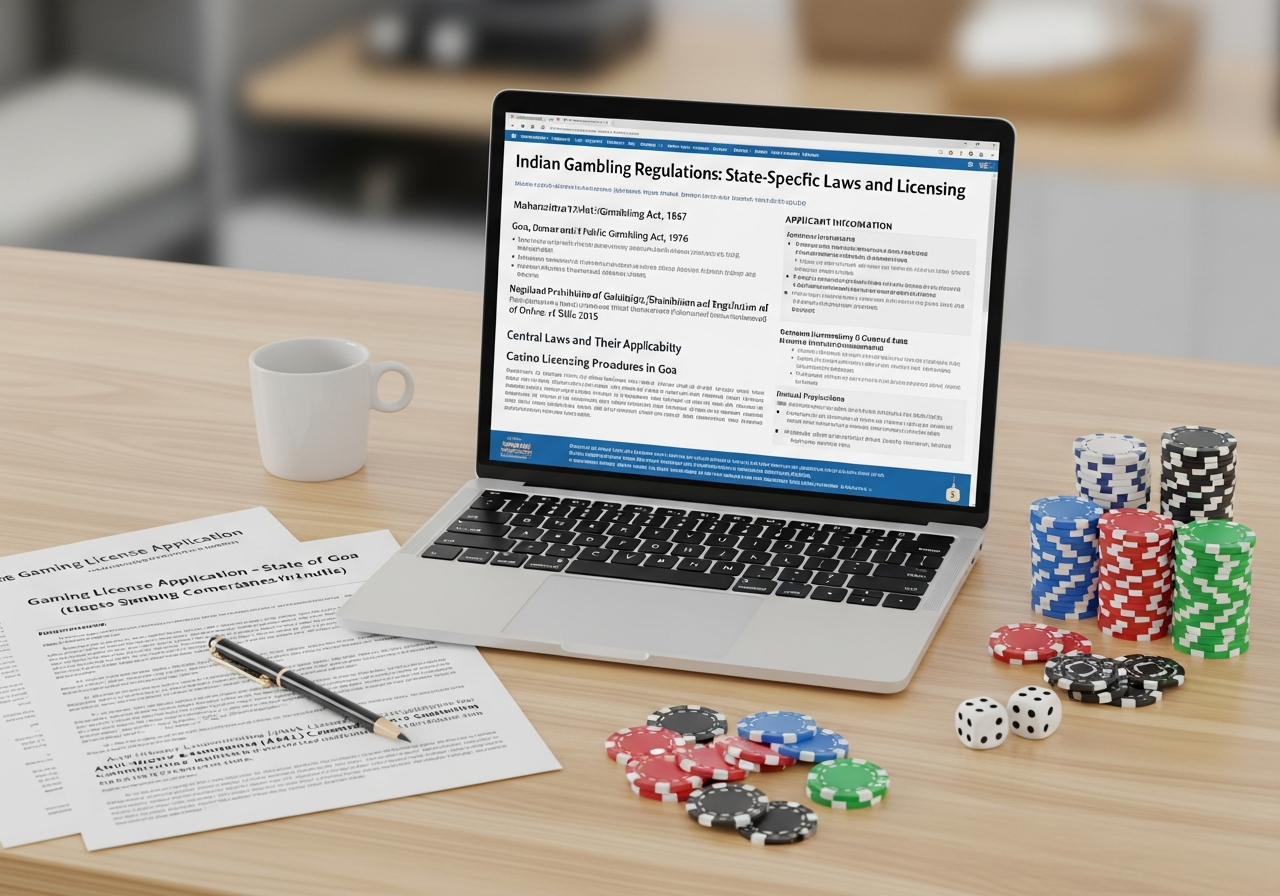
Understanding Regional Gambling Laws For Players
Sikkim stands out as one of India's most gambling-friendly states, offering a regulated environment that contrasts sharply with the restrictive regimes across most of the country. For Indian players seeking to understand what is genuinely legal—whether playing online, visiting land-based casinos, or engaging in sports betting—clarity is essential. This article is not promotional; instead, it translates Sikkim's complex gambling laws into practical guidance, explaining what residents and visitors can legally do, what risks apply, and how taxation works.
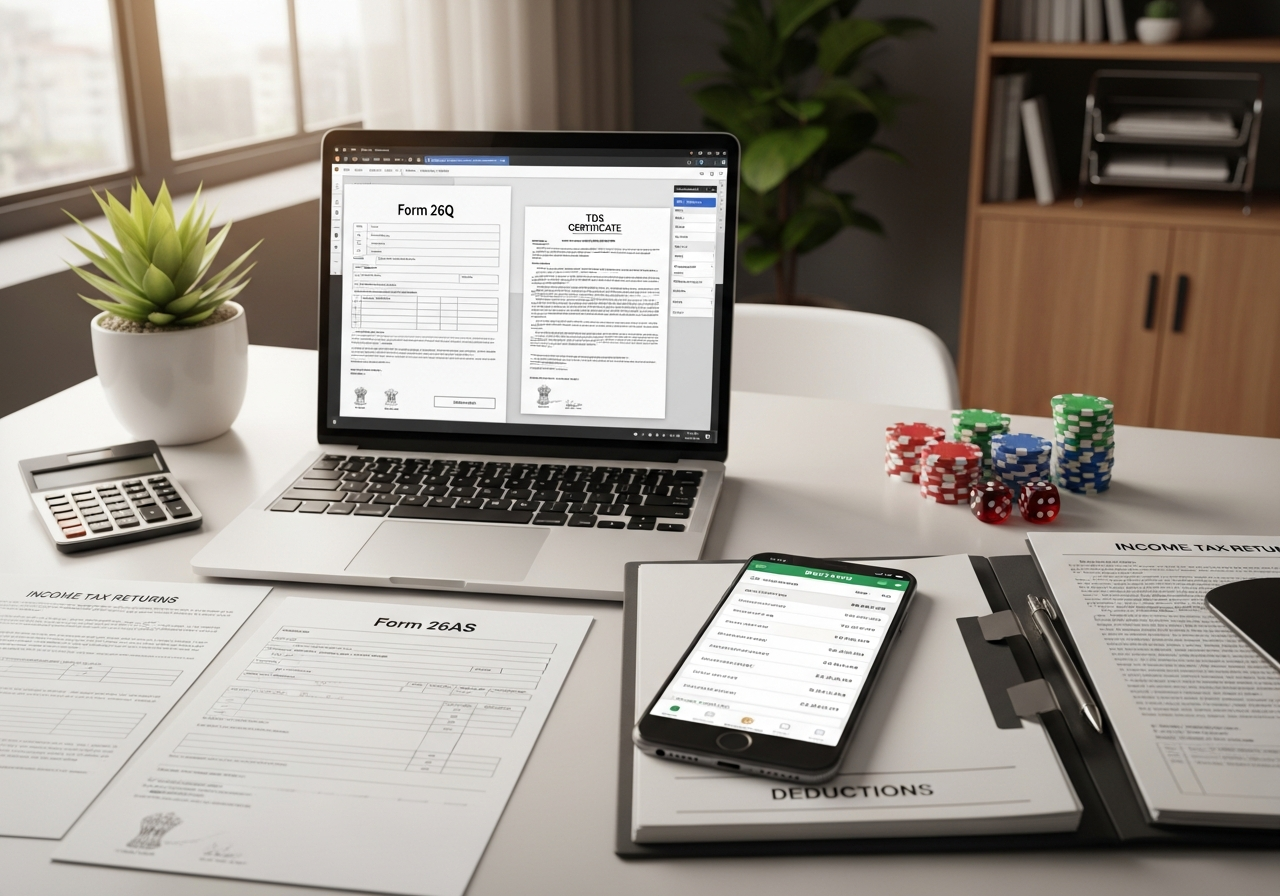
How Tax Forms Affect Tax Deductions For Bettors
Indian betting and online gaming now operate under one of the world's strictest tax regimes. Since the introduction of section 194BA and the expansion of TDS rules, a flat 30% tax deduction on winnings has become standard across most platforms. Yet few bettors understand the backbone of this system: Form 26Q, the quarterly non-salary TDS return that platforms file with tax authorities to report every deduction they make on your behalf.

Maximum Win Limits On Progressive Slots In Casinos
When you walk through a tribal casino in the United States, the glowing progressive jackpot displays are impossible to miss. Slot machines flash eye-catching numbers—sometimes climbing into the hundreds of thousands of dollars—promising life-changing wins to the next lucky player. Yet most players don't understand what those numbers truly represent, and fewer still grasp the multiple layers of limitations that sit between the displayed jackpot and the actual money they can access. Understanding maximum win limits on progressive slots in Indian casinos requires peeling back several distinct layers: the machine-level cap that determines how high a jackpot can climb, the casino's own payout policies that govern withdrawal speeds, and the federal tax and reporting rules that affect net winnings.

How Maximum Bet Limits Affect Bonus Play
When Indian players encounter an online casino bonus, the generous welcome offer in rupees often masks a critical but overlooked mechanic: maximum bet limits. While bonuses can look attractive on the surface, hidden restrictions in the terms and conditions determine how much you can wager per spin or hand, how quickly you'll clear the playthrough requirement, and—most critically—whether your winnings will actually be paid out. Understanding these limits before you start wagering is essential to avoid frustration, disputes, and forfeited funds.

Understanding Weekly Withdrawal Limits In Casinos
Most Indian online casinos enforce withdrawal limits across daily, weekly, and monthly timeframes to manage cash flow, comply with banking regulations, and protect players from excessive losses. Among these, weekly withdrawal limits stand out as the critical planning window for serious players—the cap that governs how much you can cash out in any seven-day period. Understanding these limits is essential for managing your bankroll effectively, avoiding frustrating delays when large wins arrive, and navigating India's unique payment infrastructure.